
Extended families, groups of friends, clubs and company teams all want one thing from a holiday: shared fun with no stress. Greece tours give large groups exactly that, because a professional guide or driver handles every plan. Everyone enjoys sunny islands, ancient temples and city streets together, from the youngest cousin to the oldest grandparent.
This guide explains what to see across the country, which kinds of trips suit a group, and what comes with each one. Some trips include meals, drinks and a local guide, while others leave plenty of free time. My Greece Tours helps groups compare these choices and match each day to the people travelling.
How Do Greece Tours In The Cyclades Run For Groups?
Greece tours in the Cyclades run by boat, coach or private car, with a guide or skipper leading the day. Groups hop between white villages, quiet coves and ruins at an easy pace. Planners can browse Greece tours and Tours In Greece for island days built around big parties. Every age finds a favourite.
Which places are unmissable in the Cyclades?
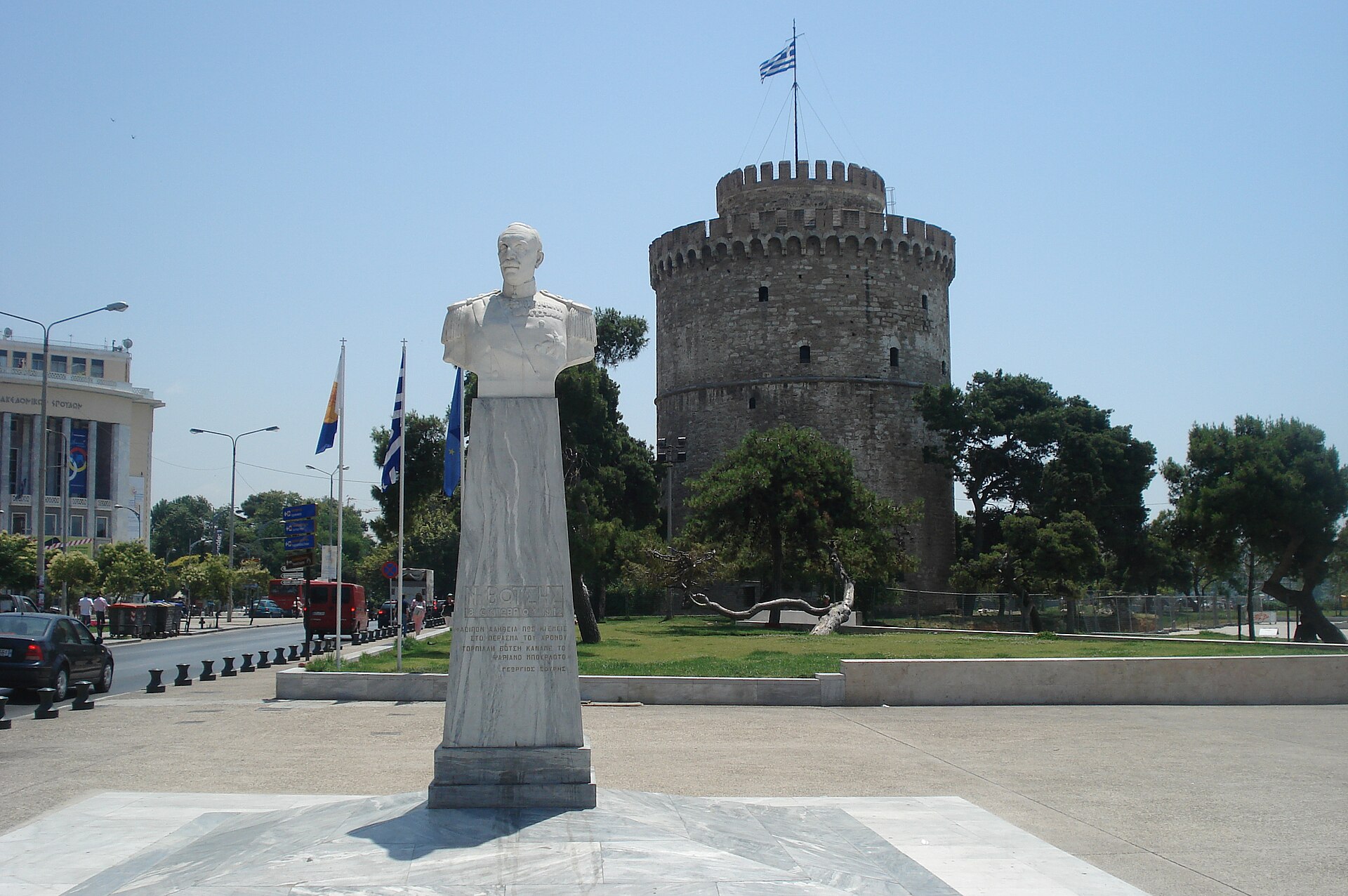
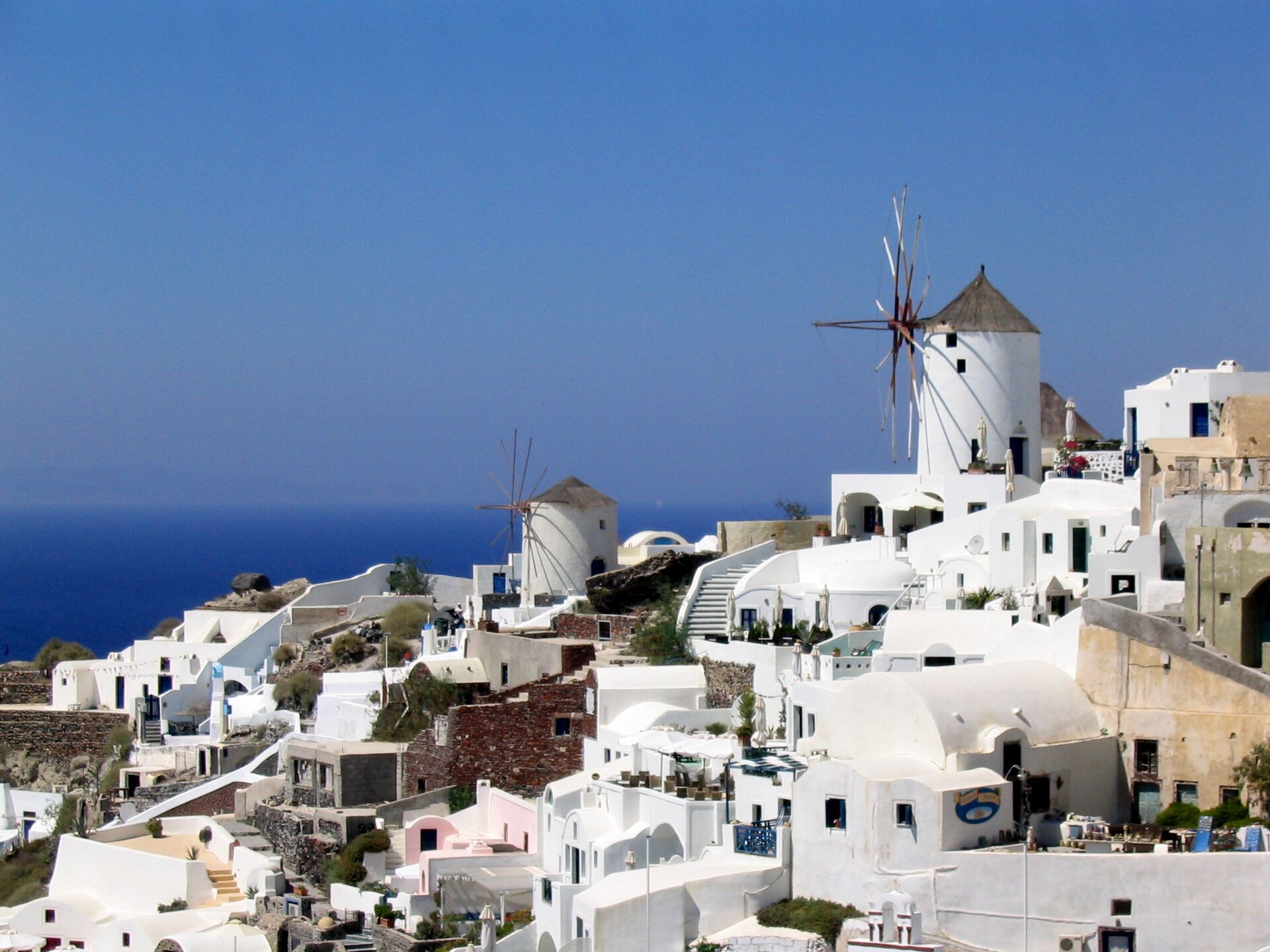
Santorini is famous for its cliff villages, where white houses and blue domes cling to the rim of a sunken volcano. Families often gather in Oia to watch the sun sink into the Aegean. On Mykonos, a row of old windmills stands on a low ridge above the harbour, where they once ground local grain.
A boat ride from Mykonos brings groups to Delos, an island sanctuary, which simply means a holy place. Ancient Greeks believed the god Apollo was born there, and today the whole island is an open-air museum. Milos offers a different thrill, with sea caves and white rock arches that pirates once used as hiding spots.
Naxos has an old town of narrow lanes climbing to a castle built by Venetian rulers, meaning lords from Venice. A giant marble doorway from an unfinished temple stands near its harbour. On Paros, the harbour of Naoussa is full of bright fishing boats and small tavernas. Octopus hang up to dry in the sunshine.
Which Greece tours cover the Cyclades best?
Private tours with a driver-guide or skipper suit groups who like full control of the itinerary. The price is set per group, not per head, so extended families often save money. Santorini boat cruises with swim stops suit mixed ages, since swimmers jump in while others relax on deck with a cold drink.
Full-day trips from Athens by coach link the city with the ferry port, so groups staying in the capital still reach an island. Snorkel and beginner scuba trips please teenagers and active friends, as instructors carefully explain each step first. These trips build confidence and give the brave ones a memorable story to tell.
Cooking classes and wine tastings are a calmer choice for grandparents, couples and teams who prefer to sit, chat and taste. Many groups mix these Greece tours, booking one shared boat day and then splitting up for smaller trips. The swimmers snorkel while the food lovers cook. Everyone meets again at dinner to swap stories.
What do Greece tours in the Cyclades provide?
Most boat days include lunch, and some serve a BBQ meal on deck with grilled meat, salads and fresh bread. Drinks come with many trips, sometimes unlimited, which spares the group an expensive bar bill. A licensed or local guide explains the history and keeps the day on track, so nobody studies a map.
Snorkel gear is usually on board, so families do not need to pack masks for every child. Swim stops break up the day and cool everyone down in crystal water. Free time to explore matters too, because big groups rarely agree on one plan. A free spell lets each person browse, shop or relax.
Wine tastings on Santorini give adults a slow, seated break among volcanic vineyards, where vines grow low to hide from the wind. Clear, upfront extras are a big plus of Greece tours for large parties. Leaders can tell the whole group what is covered, which avoids awkward talks about who pays for lunch or drinks.
How do groups stay comfortable in the Cyclades?
Book morning departures in high summer, since the heat and the crowds build after lunch. Bring hats, sunscreen, water and light layers, because the wind on deck can feel cool. Pick a group leader for each boat or minibus. Agree on a meeting spot at every stop before anyone wanders off to explore.
Send everyone the plan the night before, with pickup times and comfortable clothes to wear. Pack motion pills for anyone who feels unwell on boats, and keep a small bag of snacks for the children. Check that each person has a charged phone, so lost friends can call the leader quickly and rejoin the group.
What Makes Greece Tours In The Classical Sites Worth Booking?
Greece tours to the classical sites are worth booking because a guide turns old stones into living stories. Groups also skip the stress of driving, parking and finding the right gate. Children remember the myths, while adults enjoy the history behind each ruin. Everyone shares the same moments, the whole point of group travel.
Which places are unmissable in the classical sites?
Delphi sits high on a mountain slope, where the ancient Greeks built a sanctuary to the god Apollo. They believed it was the centre of the world, and people came to ask a priestess, called the oracle, for advice. Further north, the monasteries of Meteora perch on top of tall rock towers above the valley.
Mycenae was a citadel, meaning a walled fort on a hill, and legend links it to the warrior king Agamemnon. Visitors walk through the Lion Gate, with carved lions guarding the entrance. At Epidaurus, the ancient theatre is famous for its remarkable sound, as a whisper on stage carries to the highest seats.
Nafplio is a pretty harbour town that was once the capital of modern Greece, with a fortress guarding the hill above. Ancient Olympia is where the Olympic Games began, and groups can stand in the old stadium where athletes raced. The canal at Corinth cuts straight through rock, with steep walls dropping to the water.
Which Greece tours cover the classical sites best?
Small-group tours suit families and friends who want a guide but also want space to ask questions. Full-day trips from Athens by coach reach Delphi, Mycenae or the canal and return by evening. They work well for groups with one hotel base. Teenagers and elderly relatives can relax on the coach between stops.
Guided walking tours make sense at large sites. A guide leads the group along the right paths and points out details most visitors miss. Entry tickets alone suit groups who want to explore at their own pace. History fans can linger by the temples, while others find shade, sketch or take beautiful photographs.
Multi-day tours with hotel nights link Delphi, Meteora and Olympia without rushing. These Greece tours suit company teams and clubs that want a full trip with no planning at all. Long travel days feel easier when the bags move with the group. The next comfortable hotel is already booked and waiting for everyone.
What do Greece tours in the classical sites provide?
A licensed or local guide is the main thing these Greece tours provide. Greek regulations ask guides at the major sites to hold a licence, and their training shows in clear, lively stories. They also know the quiet corners and the best photo locations, which keeps a big group interested from start to finish.
Entry tickets come with many trips, so the group walks straight in without queueing at the ticket desk. That matters most in summer, when the lines grow long and children grow restless. A leader also avoids collecting cash from everyone at the gate. The start of each visit stays calm and efficient.
Hotel nights on multi-day trips remove the hardest part of group travel. That part is finding enough rooms in one place. Hotels near Delphi, Meteora and Nafplio let the group relax close to the attractions. Waking up near a site also means an early start, before the crowds and the afternoon heat arrive.
How do groups stay comfortable in the classical sites?
Arrive early, because the ancient sites have little shade and the stones throw back the heat. Wear shoes with good grip, since the paths are rocky and the old marble can be slippery. Carry water for everyone, plus hats and sunscreen, and plan a long, relaxing lunch in the shade after the morning visit.
Count heads at every gate and set a clear meeting point, such as the museum door or the coach. Older relatives can use the benches and rest stops while energetic cousins climb higher. Keep visits short for small children, and promise a swim or an ice cream later to keep everyone in good spirits.
What Should Groups Know About Greece Tours In Athens?
Greece tours in Athens work best when they start early, with a guide leading the group up the Acropolis before the heat. Afternoons then suit food, shopping and slower walks through the old streets. The city centre is compact and most famous sights sit close together, so a group sees a lot without long drives.
Which places are unmissable in Athens?
The Acropolis is a rocky hill crowned with temples, and its star is the Parthenon, built to honour the goddess Athena. Beside it stands the Erechtheion, where graceful statues of young women hold up the porch roof. The Acropolis Museum below has glass floors, so visitors see ancient streets right beneath their feet.
The Ancient Agora was the old market and meeting square, where thinkers like Socrates once talked with crowds. Its temple to the god of metalwork still stands almost whole. Nearby, the Temple of Olympian Zeus shows giant columns from what was once a huge temple. It honoured Zeus, the king of the gods.
Plaka and Monastiraki are old neighbourhoods full of tavernas, small shops and a busy flea market. For the best view of the city, groups ride or walk up Lycabettus Hill at sunset. Outside Athens, the Temple of Poseidon at Cape Sounion stands on a cliff above the water, honouring the mighty sea god.
Which Greece tours cover Athens best?
Private tours with a driver-guide are ideal for extended families, since the price covers the whole group. The comfortable van also waits at each stop, so grandparents avoid long walks and the itinerary can shift around nap times. A private skipper can take the group out on the water for a relaxed afternoon.
History lovers who like to walk should try guided Acropolis tours, which tell a clear story from gate to temple. Guided walking tours through Plaka and the markets suit groups who like to stroll and snack. Boat cruises along the coast with swim stops suit friends who want a sea day near the capital.
Cooking classes and wine tastings are a fun pick for company teams, since everyone works together and then eats the results. Families enjoy them on a scorching afternoon, safely out of the sun. These Greece tours keep the days varied, so nobody gets bored and every member of the group finds an activity they love.
What do Greece tours in Athens provide?
A licensed or local guide is the biggest gain of Greece tours in Athens, because the sites hold stories that signs barely explain. A guide also knows the quickest entrance and the shady paths. For a big group, that means less waiting and less confusion. Everyone gets more time to enjoy the scenery together.
Cooking classes usually end with a shared lunch, and some boat trips serve a BBQ meal on deck. Drinks come with many of these trips, sometimes unlimited on cruises. Swim stops along the coast cool everyone down after a hot morning among the ruins. They are always a hit with children and teenagers.
Wine tastings in Athens introduce local grapes that many visitors have never tried. Adults sit together, sip slowly and learn how Greek wine pairs with cheese, olives and bread. These shared moments matter especially for big groups. They give everyone a calm break and plenty to talk about later that night over dinner.
How do groups stay comfortable in Athens?
Visit the Acropolis at opening time or late in the day, when the light is soft and the crowds thin out. The marble paths are smooth and slippery, so wear comfortable trainers, not sandals. Bring water, hats and sunscreen, and plan a long lunch break in a shady, family-friendly taverna to rest tired legs.
Athens streets get busy, so give each person the hotel name and the leader’s phone number. Choose a bright meeting point, such as a fountain or a big church. Split the group into small teams with a captain for each one. Use taxis or the metro when legs get tired after a long day.
What Can Groups Expect From Greece Tours In Crete, Rhodes And Corfu?
Greece tours in Crete, Rhodes and Corfu mix beaches, castles and ancient palaces, with boat days and guided walks for every taste. Groups can expect a relaxed pace and plenty of swim stops. These bigger islands have room for large parties in hotels and restaurants. Getting around is simple with a private driver.
Which places are unmissable in Crete, Rhodes and Corfu?
On Crete, the palace of Knossos is linked to the legend of the Minotaur. This monster had a bull’s head and a man’s body. Its finds fill the museum in nearby Heraklion. The Venetian port of Chania, built by traders from Venice, curves around a harbour with an old lighthouse and rows of colourful houses.
Balos lagoon on western Crete has shallow turquoise water and pale sand that turns pink in places. On Rhodes, the Street of the Knights is a stone lane where medieval knights from across Europe once lived. Along the coast, the acropolis of Lindos sits on a rock above a white village and blue bay.
Corfu Town is guarded by fortresses, an old one on a rocky headland and a newer one above the port. They were built to keep out invaders, and they give wide views across the sea. A boat trip from Zakynthos reaches the Blue Caves, where sunlight makes the water glow a bright, clear blue.
Which Greece tours cover Crete, Rhodes and Corfu best?
Private tours with a driver-guide suit families who want to reach Knossos, Lindos or hill villages at their own speed. The price is set per group. On the water, a private skipper can steer the group to quiet coves. Boat cruises with swim stops are perfect for friends who mainly want sunshine and sea.
Groups who begin in Athens often add a full-day trip from the capital by coach before flying out to the islands. Guided walking tours through Rhodes Old Town and Chania suit history lovers. Entry tickets suit groups who want to explore Knossos at their own pace, with time for photographs and shade breaks.
Cooking classes and wine tastings on Crete suit food lovers, older relatives and company teams. Cretan cooks share simple dishes based on olive oil, herbs and vegetables, while everyone chops, laughs and tastes together. These Greece tours work well on the final evening, when the whole group wants a long, happy meal before heading home.
What do Greece tours in Crete, Rhodes and Corfu provide?
Boat trips to Balos and the Blue Caves often include lunch or a BBQ meal served on deck. Drinks come with many of these Greece tours, sometimes unlimited, which keeps the budget predictable. Swim stops are the highlight for children and teenagers. They love jumping off the boat into the turquoise water.
A licensed or local guide brings Knossos to life, because the ruins make little sense without the stories. Guides also explain the knights of Rhodes and the castles of Corfu in plain words. That shared learning gives a group plenty to talk about over dinner, with everyone joining in from the youngest to the oldest.
Entry tickets save time at busy gates, which matters when a large party arrives together. Wine tastings on Crete and Corfu add a slower, social side to the trip. Adults taste local wines with cheese and olives. Younger members enjoy fresh juice and a well-earned rest in the shade, away from the crowds.
How do groups stay comfortable in Crete, Rhodes and Corfu?
These islands are large, so base the group in one comfortable central hotel and plan short drives. Island roads twist through the mountains, so give travel pills to anyone who gets carsick. Book boat days early in the trip. That leaves spare days in case strong wind or waves cancel a sailing.
Pack water shoes for everyone, since many beaches here have pebbles and sharp rocks. Bring sunscreen, hats, towels and a dry bag for phones on boats. Choose a clear, easy meeting point at each busy harbour. Ask the guide to count heads before the boat leaves, so nobody gets left behind on the beach.
Conclusion: Top Greece Tours For Big Families And Friends, Planned Well
Greece tours make group travel easy, because someone else handles the driving, the tickets and the timing for everyone. The Cyclades bring white villages and swim stops, and the classical sites bring myths and temples. Athens brings history alongside wonderful food, while Crete, Rhodes and Corfu add castles, lagoons and lazy boat days.
The best plan mixes private days, shared boat trips and calm tastings. That way, every age has something to enjoy. Groups who want an expert guide and a smaller crowd can look at small-group tours in Greece. With good Greece tours booked early, the whole party can relax and enjoy every moment together.
Frequently Asked Questions About Top Greece Tours For Big Families And Friends
Which season is quietest for Greece tours?
Spring and autumn are the quietest times for Greece tours, with fewer crowds and milder weather at the busy sites. Boats and island trips still run, and the sea is often warm enough for a swim in autumn. Winter is calmer still, though many island trips pause until warmer months return.
How do groups pick the right Greece tours?
Start by asking what each person wants most, such as beaches, history, food or rest. Then choose a mix of private Greece tours for the whole group and shorter trips for smaller teams. Check carefully what each trip includes, like meals, drinks, tickets and a guide, so nobody faces surprise costs later.
Do Greece tours include a guide?
Most Greece tours do, and many offer a licensed or local guide who knows the sites and their stories well. Boat trips often have a skipper and crew who point out coves and caves along the way. Entry ticket options are the main exception, since they let groups explore at their own pace.
Can Greece tours be private for one group?
Yes, private Greece tours with a driver-guide or skipper are common, and the price is set for the whole group. This suits extended families and company teams who want their own comfortable van or boat. The group sets its own pace, picks favourite stops and changes the plan whenever it likes.
Can Greece tours mix islands and ancient sites?
Yes, and many families and friends love this mix most of all. A trip can start at the Acropolis, move to Delphi or Epidaurus, then end with relaxing boat days in the Cyclades. Multi-day Greece tours with hotel nights make that plan simple for any large party, from families to clubs.
Which month suits Greece tours best?
June and September suit most groups, with warm seas, sunny days and fewer crowds than the peak of summer. May works well for Greece tours focused on ancient sites, since the weather is mild for walking. Families tied to school holidays can still enjoy July and August with early starts and shady afternoons.
How do groups manage tickets for Greece tours?
Groups manage tickets for Greece tours by naming one ticket leader, buying timed entries online early, and keeping copies on paper too. This simple plan prevents lost emails and long queues at the entrance, and one person answers every question from site staff.
Buying site and museum tickets ahead
The Acropolis now runs on timed entry, so each ticket carries a set time slot. Big groups should read this guide on buying Acropolis tickets early before the trip. Popular summer morning slots disappear quickly, and late buyers usually end up with the hottest midday hours.
The ticket leader should book all tickets in one order when the site allows it. One booking keeps the group on the same slot and in the same entry line. If names must go on tickets, the leader collects passport details from everyone a few weeks ahead.
Children and young European Union citizens often enter state sites free or at a reduced rate. Their free tickets still need booking, so the leader adds them to the group order. Parents should pack ID cards for them, since gate staff check ages on many Greece tours.
Museum tickets work the same way on most Greece tours. Big museums in Athens sell tickets online too, often with set entry times. Buying them along with the site tickets keeps the whole day in one tidy plan.
Letting licensed guides handle entry
Only state-licensed guides may lead groups inside Greek archaeological sites and museums. Archaeological sites are places where old ruins were dug up and kept safe. Many Greece tours include such a guide, so groups should ask early whether tickets come with the package.
A good guide also helps a big group move past the worst crowds. Timing matters most at the Acropolis, and these tips on beating the hilltop crowds help organise the day. Early starts and late visits feel cooler and calmer for older relatives and young children.
Monasteries have their own entry rules, even when tickets are cheap or free. Group leaders should read the rules for visiting Greek monasteries before the day out. Women wear long skirts, men wear long trousers, and shoulders stay covered on these Greece tours.
How do groups budget for Greece tours?
Groups budget for Greece tours by agreeing on a spending level, pooling shared costs in one fund, and travelling outside the busiest weeks. A clear plan up front stops awkward talks about money later. Everyone knows what the trip costs before anyone pays a deposit.
Splitting shared costs fairly
A shared fund, often called a kitty, covers taxis, snacks, tips and group meals on Greece tours. Each person pays the same amount into it at the start. One reliable person holds the fund and keeps every receipt in a separate envelope.
Big families often divide costs by household rather than by individual person. Children eat less and sometimes pay less, so a household split feels fairer to everyone. Friends and clubs usually split by person, which keeps the calculations simple on Greece tours.
Some costs surprise groups on their first trip to Greece. Small entry fees at monasteries and caves add up, and so do tips for drivers and boat crews. Bottled water, sunbeds and island taxis also belong in the plan from the start.
Private and shared options also change the cost of Greece tours. A private guide costs more in total, but the cost per head drops as the group grows. Shared trips suit small families, while big groups often get better value by going private.
Saving on rooms, food and transport
Rooms cost less in spring and autumn, and the weather still suits sightseeing. Big groups also save money by renting entire villas instead of separate hotel rooms. Some eco-friendly places to stay have large family units as well.
Food is easy to share on Greece tours, which helps a big table save money. Groups order plates of meze, which are small shared dishes, and pass them around. Local tavernas away from the main square often charge less than cafés with sea views.
Travel between towns also shapes the budget. Scenic train rides in Greece often cost less than a private coach and show off wide mountain views. Ferries in deck class suit groups on a tight budget, while cabins cost more.
Travelling in a sustainable and responsible way often saves money too. Refilling water bottles, walking short distances and buying from local shops all cut costs. Those habits also cut waste and keep more cash in the group fund.
How do big groups book Greece tours early?
Big groups book Greece tours early by fixing dates first, paying deposits on scarce items, and confirming every booking in writing. Large rooms, big tables and coach seats run out before small ones do. An early start gives the group the first pick of everything.
What a large group should book first
Places to sleep come first on Greece tours for groups, because many rooms must sit under one roof. Guides and drivers come next, since the best ones fill their summer calendars early. Ferry seats, cabins and vehicle spaces follow once the dates are fixed.
Popular Greece tours with a set route sell out fastest in summer. A group that wants a whole coach or boat needs to ask months ahead. Smaller day trips, such as short city walks, are easier to add closer to the date.
Booking early also helps with group meals. Many tavernas can seat a big group only with notice, especially on weekend nights. A quick call a few days ahead secures one long table instead of several small ones.
Every booking for Greece tours should come with a written confirmation by email. The trip leader stores these in one shared folder that the whole group can open. On travel days, nobody needs to search through old conversations at a busy port.
Booking around Greek holidays and seasons
Greek religious holidays completely change the picture for Greece tours. Easter is the biggest family holiday of the year, and hotels, ferries and buses fill with local travellers. Its date follows the Orthodox church and often differs from Easter in other countries.
Summer feast days for local saints also fill villages with music, food and visitors. A group that arrives during one experiences real Greek life, but rooms run short. This guide to Greek holiday customs and traditions helps groups plan around both.
Spring and autumn suit most Greece tours for groups. Days are warm but comfortable, and sites feel calmer than in high summer. Early booking still matters then, because school trips and walking clubs love these seasons too.
How do groups keep everyone together on Greece tours?
Groups keep everyone together on Greece tours with one clear leader, fixed meeting points, regular head counts and a shared group chat. Simple habits like these matter most at busy ports, markets and ancient sites. They turn a scattered crowd into an organised team.
Simple rules for a big group on the move
Before each outing, the leader names a meeting point that everyone can find again. A café sign, a statue or a church door works better than a street name. Each person also keeps the hotel address on paper, in case a phone battery dies.
Regular head counts take seconds and save hours of worry for the organiser. The leader counts heads after every stop, on every boat and before every coach leaves. Pairing people as buddies helps too, since each person watches one other face on busy Greece tours.
Clear roles share the work. One person handles tickets, another tracks money, and a third checks on older relatives and children. When jobs are shared, Greece tours feel lighter for the leader and more fun for everyone.
A few simple tools make the job easier for any group leader. These items cost little and fit in a day bag:
- A bright flag, scarf or hat for the leader
- Matching caps or shirts for the children
- A printed list of names and phone numbers
- A card with the hotel address in Greek
- A power bank for the leader’s phone
Staying together on walks, drives and village days
Walking days need extra attention, because a long line of people stretches out surprisingly fast. On walking tours on foot, one strong walker leads and another stays at the back. Nobody passes the leader, and nobody falls behind the last walker.
The same rule works in the nature reserves across Greece, where paths divide and mobile signal disappears. Groups agree on a turn-back time and a meeting spot at the trail start. Greece tours into remote places also need plenty of water for every walker.
Driving days bring their own challenge when a group fills several cars. On scenic drives in mainland Greece, each car carries a printed route and stops at the same towns. Drivers agree on fuel and food stops, so no car races ahead on its own.
Quiet villages and hidden gems beyond the tourist trails reward groups that stay patient. Small lanes and tiny squares fill fast when a big group arrives at once. Splitting into smaller teams with set return times keeps Greece tours relaxed for locals and visitors alike.
Which Greece tours suit groups saving money?
Groups saving money do best on self-guided Greece tours that mix public buses, deck-class ferries, rented apartments and free sights. A few paid guided visits at the major ancient sites complete the plan. Everyone sees the highlights without stretching the shared budget.
Cheap ways to travel and sleep
Regional buses link most mainland towns and cost far less than private transfers. Ferries in deck class do the same job between islands, and the sea views come free. Group leaders can read these tips for ferry travel before the first crossing.
Rented apartments with kitchens cut costs on Greece tours for big families and friends. Breakfast and some dinners at home save money for the paid days out. Village rooms and family-run guesthouses also cost less than beach resorts in high summer.
Budget Greece tours for clubs and school groups often use hostels or simple guesthouses in towns. Shared rooms keep costs low and add to the team spirit. Leaders simply check that rooms lock and that bags have a safe place during day trips.
Timing matters as much as transport on budget Greece tours. Late spring and early autumn bring lower room rates, quieter beaches and pleasant weather. These budget tips for Greece add more ways to travel well for less.
Free and low-cost days out
Many of the best moments on Greece tours cost nothing at all. Groups wander old town lanes, swim at public beaches and watch the sunset from hilltop chapels. Village squares come alive in the evening, and sitting there with a cold drink costs very little.
Bakeries and street food stands keep a hungry group fed for less. Cheese pies, spinach pies and wraps of grilled meat make a filling lunch on the move. Learning a few essential Greek phrases also helps groups order quickly and earn a warm smile.
Big groups also save by sharing one licensed guide for the most important site. Only state-licensed guides may lead groups inside Greek museums and archaeological sites, meaning places with ancient ruins. Split across many people, one guide’s fee becomes a small cost on budget Greece tours.
Saving money should never mean cutting corners on safety. Groups on cheap Greece tours still need travel insurance, charged phones and a plan for late buses. These safety tips for Greece cover the basics for every traveller in the party.
Which Greece tours suit a mid-range budget?
A mid-range budget suits Greece tours that mix shared guided day trips with free days, comfortable family hotels and fast ferries. This balance gives groups expert help at the big sights and freedom everywhere else. Costs stay steady and predictable without ever feeling too tight.
Mixing guided days with free time
Most mid-range groups book a guide for the headline sights and explore the rest on their own. A shared day trip to Delphi, where ancient Greeks asked a priestess about the future, brings history to life. The next day stays loose for beaches, shopping or a long lunch.
This guide to choosing the right Greek tour helps groups weigh guided days against free ones. The best mix depends on ages, energy levels and interests. Families with teenagers often want more beach time, while history clubs want more guided visits.
Shared day trips on mid-range Greece tours also include transport, which saves the stress of driving. A boat day around an island, a cooking class or a wine tasting fits this budget well. Each one gives the group a shared memory without a private-tour cost.
Mid-range Greece tours also leave room for the occasional treat. A sunset dinner by the sea or a short boat ride to a quiet beach feels special without breaking the budget. Groups agree on these treats early, so nobody feels surprised by the bill.
Hotels, ferries and getting around
Mid-range hotels with family rooms or connecting rooms keep big families close. Many include breakfast, which saves time and money on busy mornings. A pool helps too, because tired children recharge in the water while adults rest in the shade nearby.
Fast ferries cost more than slow ones but free up whole afternoons. Groups should reserve seats together, since big parties often end up scattered across the boat. These Greek ferry booking tips explain how to find the best routes and seats.
On the mainland, a rented minivan suits mid-range Greece tours for groups. One vehicle keeps everyone together and costs less per head than several taxis. Light bags make the van easier to load, so this guide to packing light for island tours helps here too.
Which Greece tours suit groups wanting comfort?
Groups wanting comfort choose escorted Greece tours with a tour leader, private transfers, good central hotels and luggage handling from start to finish. Nobody carries heavy bags, reads confusing bus timetables or hunts for taxis. The group simply enjoys each day while someone else handles the details.
Escorted tours and smooth transfers
An escorted tour follows a set plan with a tour leader who travels with the group. This leader handles check-ins, tickets, meals and timing at every stop. These tips on picking an escorted tour itinerary help groups compare routes and pace.
Comfort-focused Greece tours also cut out the stress of airports and ports. A driver waits at arrivals with a name sign and loads every suitcase. Older relatives and parents with small children feel the difference straight away, especially after a long flight.
On ferry days, comfort means reserved seats in the lounge or a cabin on long night crossings. Groups stay together, out of the wind and away from crowded decks. Guides or hosts often meet the boat at the next port, so the transfer runs smoothly.
Comfort also covers food on escorted Greece tours. Many include set group meals at tavernas that already know the group is coming. Long tables, shared plates and fixed menus make dinner easy, even for picky eaters and guests with allergies.
Hotels and a pace that suits every age
Comfortable Greece tours change hotels less often, which means fewer early starts and less packing. Staying longer in each base lets the group unpack properly and settle in. Hotels with lifts, step-free rooms and shaded pools suit grandparents and toddlers alike.
A gentle pace also matters for mixed-age groups. Short guided visits in the cool morning and free afternoons keep energy levels high. These family-friendly travel tips share more ideas for stress-free days with children of all ages.
Comfortable trips still bring plenty of contact with local people, from hotel staff to village hosts. Knowing the basics of Greek cultural etiquette keeps those meetings warm and polite. Simple habits, like greeting shop owners and dressing modestly in churches, go a long way.
Which Greece tours suit a special splurge?
A special splurge suits private Greece tours with a personal guide, a chartered yacht for island days and a villa for everyone. These trips suit milestone birthdays, family reunions, weddings and company reward trips. The whole plan bends around the group, not the other way round.
Private guides, drivers and yachts
Private Greece tours put the whole day under the group’s control. The guide sets the pace, skips anything that bores the children and adds surprise stops on request. This guide to private tours in Greece shows how personal travel works from start to finish.
A chartered yacht or catamaran is the classic splurge on Greece tours for big groups. The crew sails to quiet bays, cooks lunch on board and finds swimming spots that ferries never reach. Everyone shares one deck, one long table and one golden sunset.
Private transfers between sights cost more but save many hours over a full trip. A spacious air-conditioned vehicle with a local driver turns long journeys into relaxed rides. The driver also knows the best roadside tavernas, which often become trip highlights.
Villas, feasts and once-in-a-lifetime extras
Luxury Greece tours offer extras that turn a holiday into a story the family retells for years. Popular splurges for groups include:
- A private chef cooking a Greek feast at the villa
- A sunset sail with dinner on deck
- A private wine tasting at a family vineyard
- A private boat trip to sea caves and hidden beaches
- A traditional music night with local dancers
A large villa with a pool and sea views gives the group its own private base. Everyone gathers for breakfast on the terrace, then heads out for the day. In the evening, the villa becomes the party venue, with no neighbours to disturb.
Company groups often choose splurge Greece tours as a reward for a strong year. A private island day, a gala dinner and a guided visit with a top expert make staff feel valued. Planners book these extras far ahead, because the best yachts and villas go first.
Splurge Greece tours work best when the money goes where the group feels it most. One private yacht day or one feast night often means more than luxury on every single day. Smart groups mix a few grand moments with simpler days in between.
Which places do Greece tours for groups visit?
Greece tours for groups visit the Cyclades islands, the great mainland sites near Athens, and the large islands of the west and south. Each area has its own charm, so most groups combine a city, an ancient site and at least one island. The lists below show where each place shines.
Islands
The Cyclades are a ring of dry, sunny islands in the Aegean Sea, linked by regular ferries. Greece tours often hop between several of them in one trip. Each island has its own mood, from lively beaches to quiet fishing villages.
- Santorini: cliff-top white villages, a flooded volcano crater and famous sunsets
- Mykonos: windmills, Little Venice sunsets and boat trips to ancient Delos
- Naxos: the giant marble Portara gateway, mountain villages and long sandy beaches
- Paros: the pretty fishing harbour of Naoussa and calm family beaches
- Milos: white moon-like rocks at Sarakiniko and colourful fishing houses by the sea
Mainland
Mainland Greece holds the most famous ancient sites, many within a few hours of Athens by coach. Guided Greece tours bring these ruins to life with stories of gods, kings and athletes. Only state-licensed guides may lead groups inside these archaeological sites and museums.
- Athens: the Acropolis, the Parthenon temple and lively Plaka streets
- Delphi: the oracle site where ancient Greeks asked for advice, on Mount Parnassus
- Meteora: monasteries perched on top of giant rock towers
- Olympia: the birthplace of the ancient Olympic Games, with its original stadium
- Mycenae: the Lion Gate and the hilltop city of the famous King Agamemnon
Large islands
The large islands suit groups that want to stay in one place for longer. Each has its own airport, plenty of family hotels and enough sights to fill a whole week. Many Greece tours fly to one of them and use it as a relaxed base.
- Crete: the ancient palace of Knossos, deep gorges and long sandy beaches
- Corfu: a grand old town with sea forts, green hills and clear bays
- Kefalonia: Myrtos Beach, the Melissani cave lake and quiet mountain villages
- Zakynthos: Navagio Shipwreck Beach, blue sea caves and rare sea turtles
How do groups plan Greece tours over nine days?
Groups plan Greece tours over nine days by starting in Athens, adding a mainland road trip, then ending with island days. This order saves the most relaxing part for last, when everyone feels tired from sightseeing. It also keeps ferry travel to a minimum.
Start in Athens
Athens makes the natural starting point, since most flights from abroad land there. The first day stays light, with a slow walk through the old Plaka district and an early dinner. Tired travellers, especially children and grandparents, need time to rest after the long journey.
The next morning belongs to the Acropolis, the rocky hill crowned by the Parthenon temple. Greece tours start early here to beat the heat and the crowds. In the afternoon, the Acropolis Museum shows the statues and carvings from the hill above.
Another day in Athens suits the Ancient Agora, the old marketplace where Athenians met to trade and argue. Groups can also watch the changing of the guard outside Parliament, a favourite with children. An evening trip to the Temple of Poseidon at Cape Sounion ends the stay with a famous sunset.
Hotels in central Athens fill quickly in summer, so big groups book early. A base near the Acropolis or Syntagma Square keeps most sights within walking distance. Family rooms and apartments let relatives stay close without crowding into one space.
Groups that want a ready-made model can follow a week of Athens and islands and stretch it with a mainland road trip. Longer Greece tours feel less rushed, which matters when the group spans several ages. Extra days also leave space for rest, laundry and an unplanned swim.
Head north to Delphi and Meteora
After Athens, a coach or rented minibus heads north-west to Delphi on the slopes of Mount Parnassus. Ancient Greeks believed this site was the centre of the world. Kings came here to hear the oracle, a priestess who spoke for the god Apollo.
Greece tours usually spend a night near Delphi, in Delphi village or the ski town of Arachova. The next morning, the road continues north to Meteora, where monasteries sit on top of giant rock towers. Monks once reached some of them by rope ladders and nets.
Visitors to the monasteries dress modestly, with covered shoulders and long skirts or trousers. The monasteries close on set weekdays, so planners check opening days before the visit. Sunset from the rocks gives the whole group a moment of calm before the drive back.
Groups that like to plan things themselves can use this guide to self-guided itinerary planning for road trips like this one. A rented minibus with a local driver keeps costs shared and the whole group in one vehicle. Self-guided Greece tours still benefit from a licensed guide at the big sites.
Some Greece tours swap this northern loop for the Peloponnese, the big chunk of land south-west of Athens. That route visits Mycenae, the hilltop city of King Agamemnon, and Olympia, home of the first Olympic Games. Both loops fit well into a nine-day plan.
Finish on the islands
The final days belong to the islands, reached by ferry from Piraeus or Rafina near Athens. Naxos and Paros suit families well, with calm beaches and short ferry hops between them. Santorini ends the trip with famous cliff-top views and sunsets.
This guide to island hopping in Greece helps groups choose routes and ferry types. Greece tours that hop islands work best with light luggage and seats booked together. Slow ferries cost less, while fast boats save time but rock more in strong wind.
Mykonos or Milos can replace Paros for groups with different tastes. Mykonos suits friends who want beach clubs and nightlife, while Milos suits groups who love boat trips to sea caves. Both islands have regular summer ferries to Athens.
Food on the islands is simple, fresh and made for sharing. Groups pass round grilled fish, salads and local cheese at long tables by the sea. Kids love the fresh juice and the ice cream shops by the harbour.
Island days run at a slower pace than the mainland. Mornings bring a swim or a boat trip, afternoons a long lunch, and evenings a stroll through the main town. This easy rhythm makes island time the favourite part of the trip for many families.
On the last day, groups fly home from Santorini or take the ferry back to Athens. Leaving a spare half-day before the flight protects the group from ferry delays caused by strong summer winds. Without that spare time, the last morning turns into a rush for everyone.
More questions about Greece tours for groups
Groups planning a trip often ask the same simple questions about payments, luggage, packing, changes, shade and toddlers on Greece tours. The short answers below cover each one clearly.
Can groups pay for Greece tours in one booking?
Yes, most group trips accept one booking and one payment from a lead organiser, who then collects shares from each member. Some trips also allow split payments, where each family pays its own part online. A single booking keeps rooms, seats and tickets linked under one name.
Which bag suits Greece tours best?
A medium soft bag or small wheeled case suits Greece tours best, because it handles ferry ramps, cobbled lanes and steep hotel stairs. Big hard cases are tough to lift onto boats and into small island taxis. A light daypack also helps on sightseeing days.
What should groups pack for Greece tours?
Groups should pack light clothes, sun hats, sunscreen, good walking shoes, swimwear and one modest outfit for churches and monasteries. A light jacket helps on windy ferry decks and cool spring evenings. Refill bottles keep everyone cool and cut plastic waste.
Can groups leave Greece tours early?
Yes, groups can leave Greece tours early, but refunds for unused days depend on the booking terms and how much notice the organiser gives. Travel cover helps if illness or a family crisis cuts the trip short. Organisers should read the rules on changes before paying any deposit.
Do boats on Greece tours have shade?
Most day boats on Greece tours have a shaded deck area or canvas cover, and big ferries have cool indoor lounges with air conditioning. Small speedboats often have little shade, so hats and sunscreen still matter. Groups with babies or older relatives should ask about shade before booking.
Do Greece tours welcome toddlers?
Yes, many Greece tours welcome toddlers, especially private trips and family day trips with short travel times and flexible stops. Greeks love children, and tavernas often make a fuss of young guests. Parents should ask whether child car seats are included and whether paths suit a pushchair.
See more in Athensescortgirls:
- Escort Πειραιάς: Οδηγός για Συνοδούς στο Λιμάνι, την Καστέλλα και το Μικρολίμανο
- Escort Σύνταγμα: Οδηγός για Συνοδούς στο Κέντρο της Αθήνας, σε Ξενοδοχεία και Γειτονιές
- Ερωτικό Μασάζ Αθήνα Escorts: Στούντιο ή Συνοδός
- Escorts για Ζευγάρια Αθήνα: Πώς Κλείνει το Ραντεβού των Τριών
- Νυχτερινή Ζωή Αθήνα Escorts: Ωράρια, Περιοχές και Κρατήσεις